Profile

Hi, I'mMichael Danley

Resume

About Me

I'm Michael, an undergraduate at Duke University double majoring in Electrical Computer Engineering & Computer Science. I'm primarily interested in embedded system design, especially in aerospace and robotics applications. I also enjoy personal projects, particularly those involving complex engineering challenges.

Skills

JavaC++PythonCircuit AnalysisPCB DesignCADCAMFEAFusion 360KiCADVS CodeGithubSoldering3D PrintingLaser CuttingCNC Manufacturing

Relevant Experience

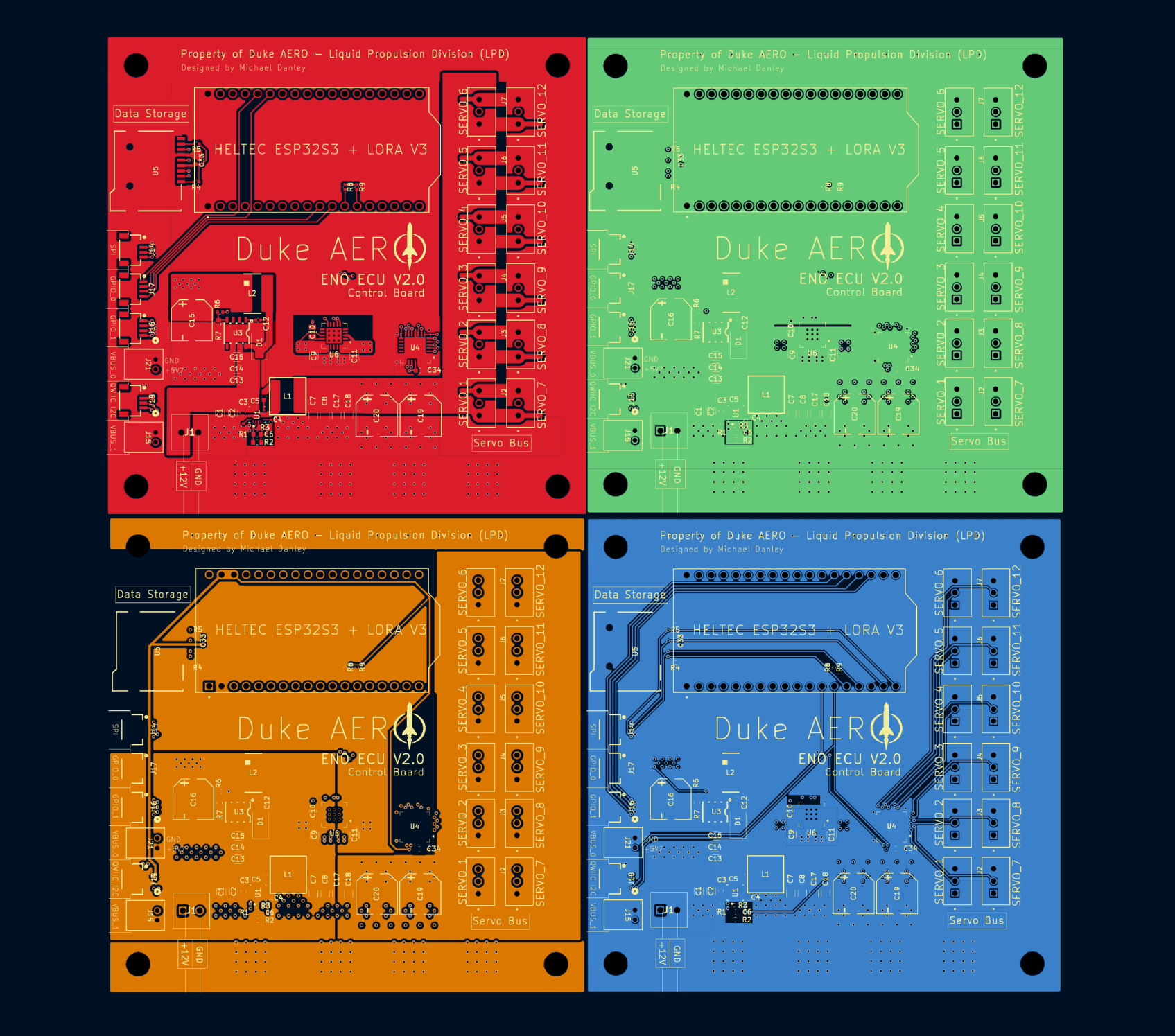
Duke AERO is a collegiate high-powered rocketry organization competing in the International Rocketry Engineering Competition (IREC). I work on both the Avionics and Liquid Propulsion sub-teams, with a primary focus on embedded systems in high-reliability aerospace applications. As an avionics engineer, I'm developing a long-range digital live-video transmission system capable of streaming onboard rocket footage to a ground station over 12 km away. On the Liquid Propulsion team, I lead the design and development of a custom Engine Control Unit (ECU) for a 2.5 kN regeneratively cooled liquid rocket engine, owning the electrical architecture, schematic design, PCB layout, power distribution, high-frequency sensor acquisition, and valve/actuator control systems. I transitioned the test stand from a protoboard-based DAQ setup to an integrated multi-board ECU platform, improving reliability, reducing setup time from hours to minutes, and more than doubling data sampling rates while enhancing EMI isolation and power integrity for engine testing.

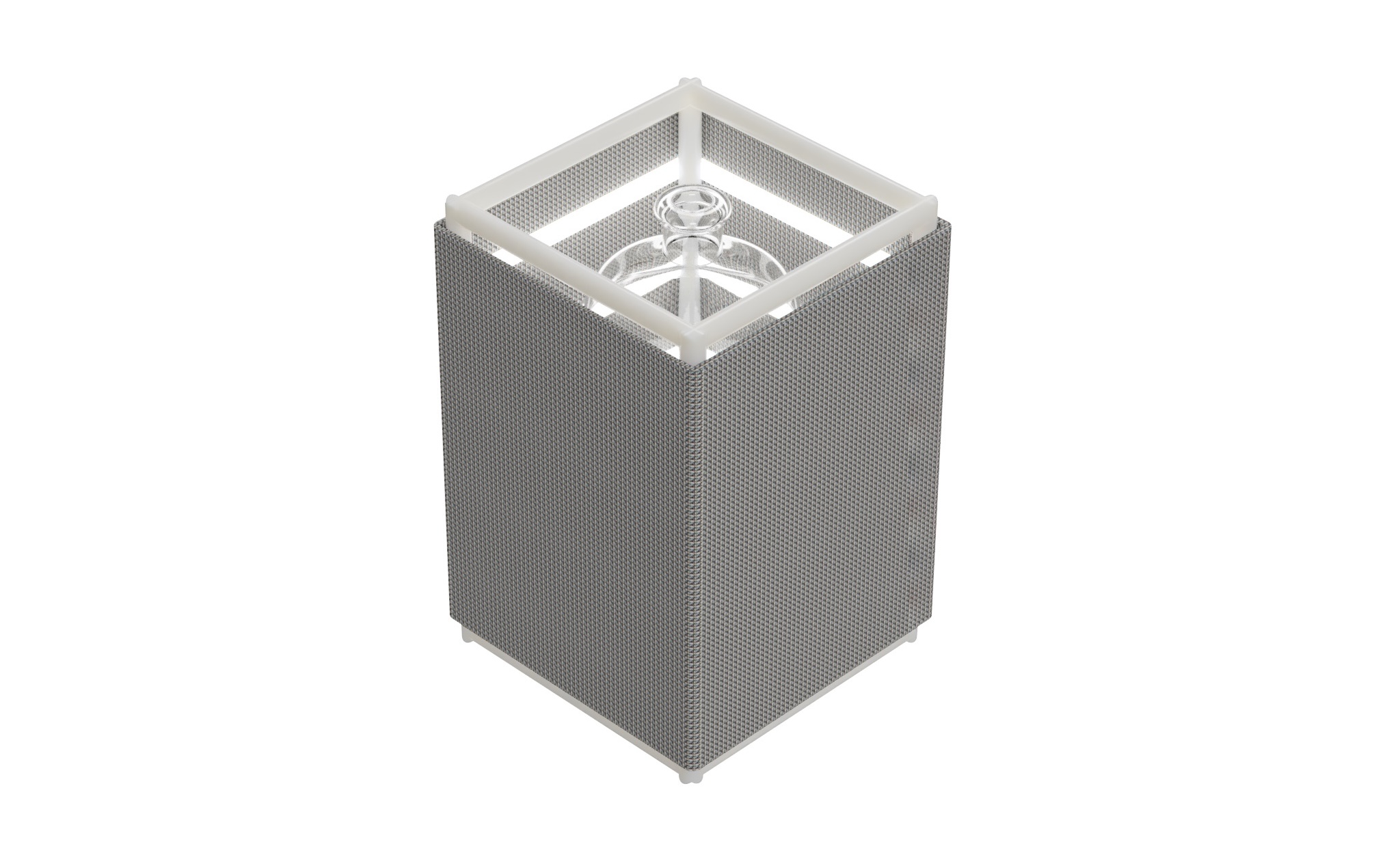
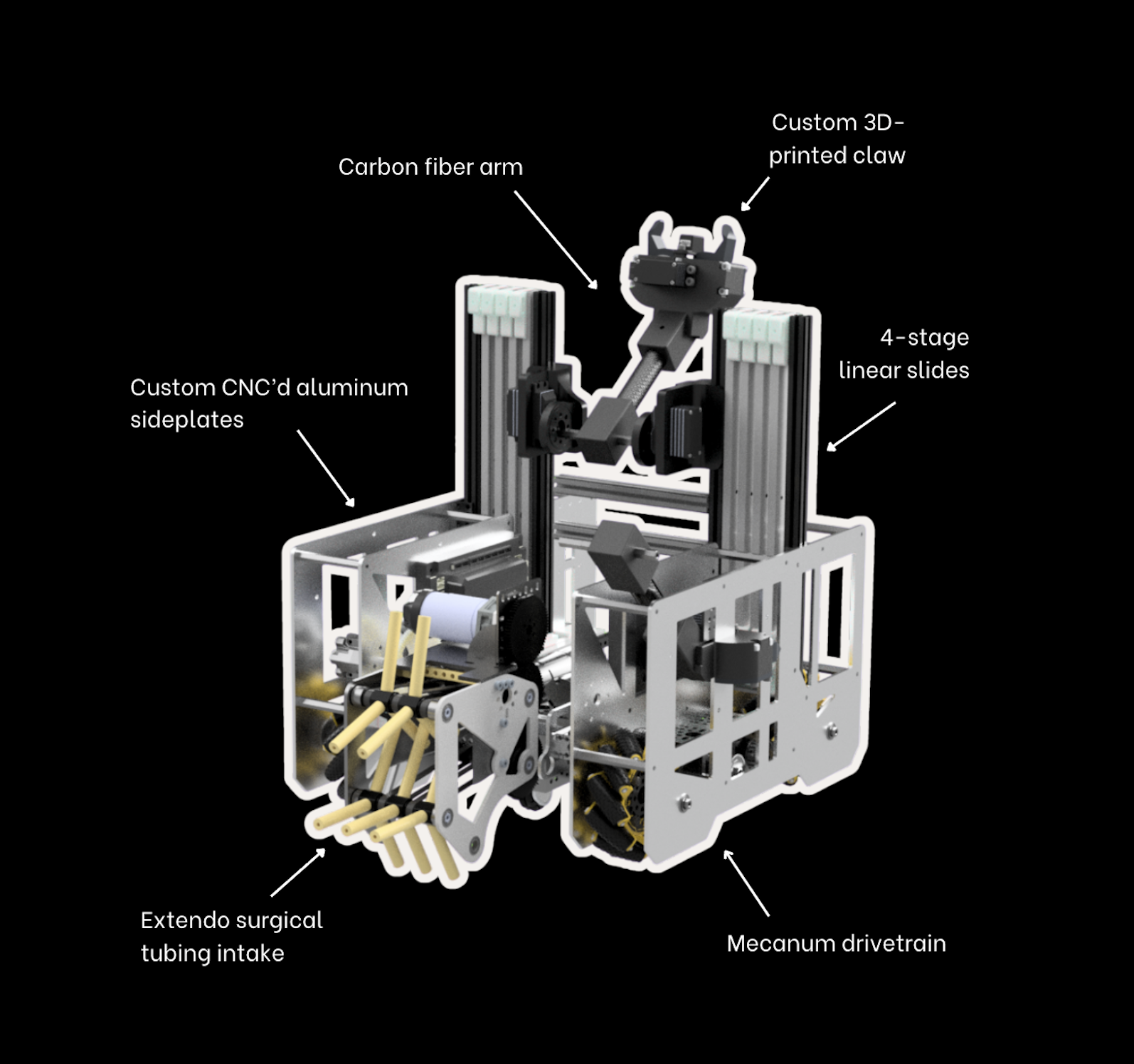
As Team Captain of a FIRST Tech Challenge robotics team, I led cross-functional engineering efforts across software, electrical, and mechanical subsystems. I developed custom Java-based control systems, implemented agile project workflows, and mentored team members in programming and CAD, contributing to a state-level programming award and sustained competitive success.

Lead Electrical Systems Engineer for Project ORCA, a field-deployable embedded system designed to replicate real-time marine light conditions for shipboard research. Own the end-to-end electrical architecture, including schematic design, PCB layout, power systems, and hardware validation. Architected a dual-module system integrating ESP32 microcontrollers, Raspberry Pi control hardware, RS-485 and LoRa communication, battery-managed solar power, and PWM-controlled LED drivers. Led the transition from proof-of-concept to research-grade fabrication, improving reliability, modularity, and environmental durability for offshore deployment.